Composite & Trex
Trex Decks: What You Can Do Yourself and What to Leave to a Pro
· 2 min read · Deck Builders LLC
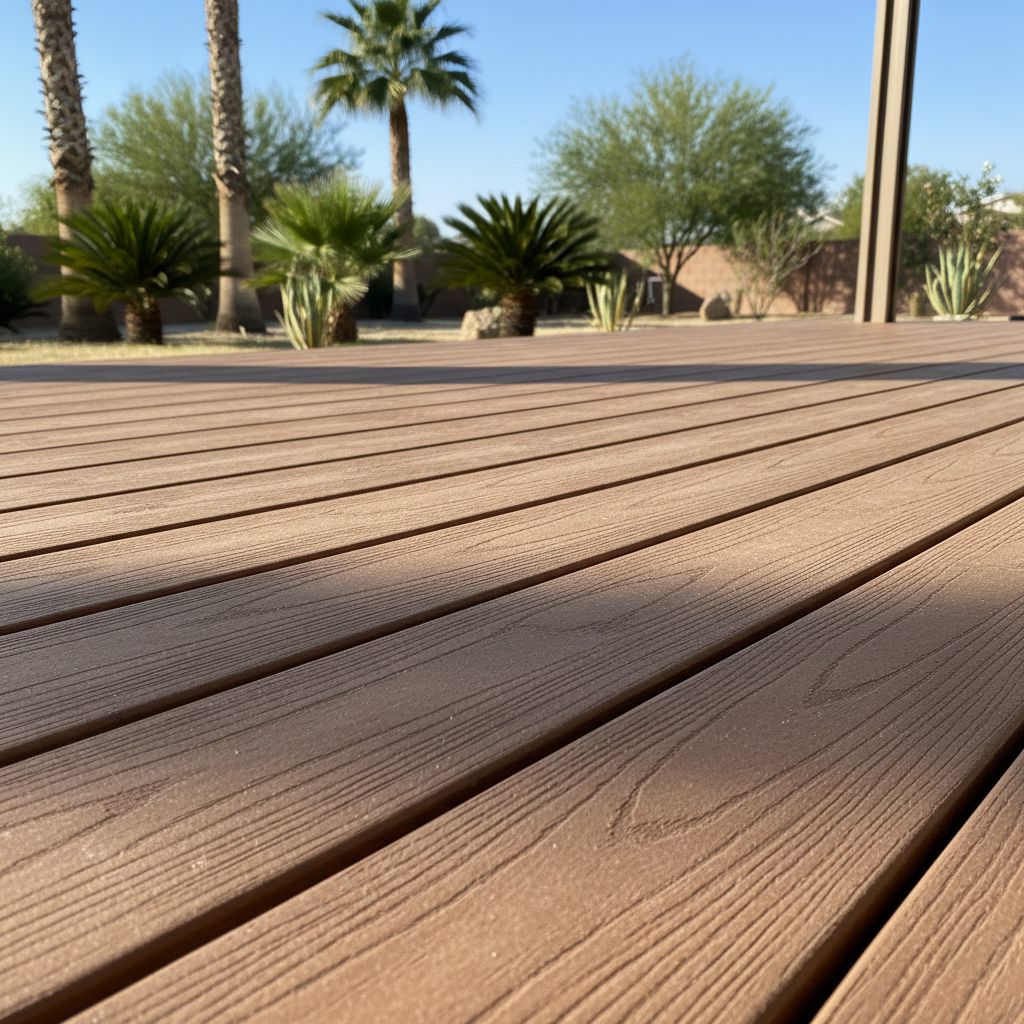
Plenty of capable homeowners ask whether they can build their own Trex deck. Parts of it, yes. Here is where your time pays off and where a mistake gets expensive.
Plans and permits
An attached or raised deck generally needs a permit, and the city will want drawings showing dimensions, footings, how the deck fixes to the house and railing heights. If you are comfortable with building codes and drafting, you can do this yourself. Many people stall here.
Footings and framing: usually a pro
The frame decides whether the deck stays level and safe. It has to be square, properly attached to the house and set on footings sized for your soil. Composite also needs closer joist spacing than wood. An error here shows up later as bouncy, wavy or sagging boards, and by then it is under the deck.
Laying the boards: DIY-friendly
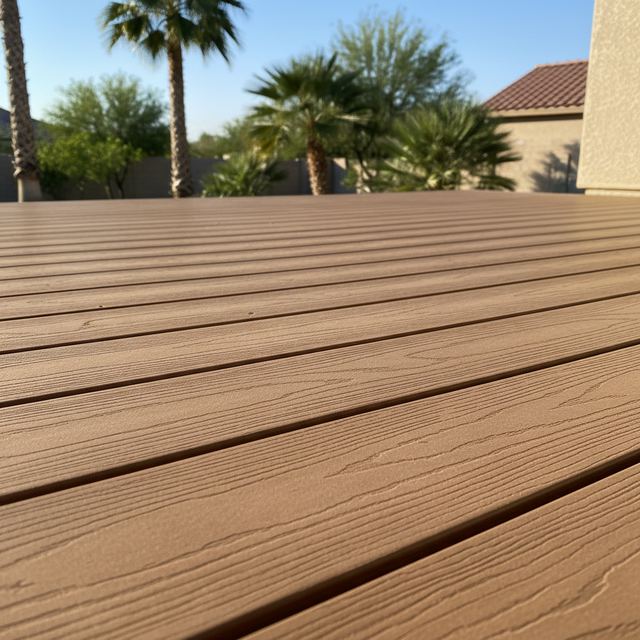
This is the most approachable part. Boards are consistent and hidden-fastener systems are straightforward. Use a fine-tooth blade for clean cuts, follow the gapping instructions exactly because the boards move with temperature, and work in the morning. Boards left in the afternoon sun are hot to handle and at their longest.
Railings: depends on the system
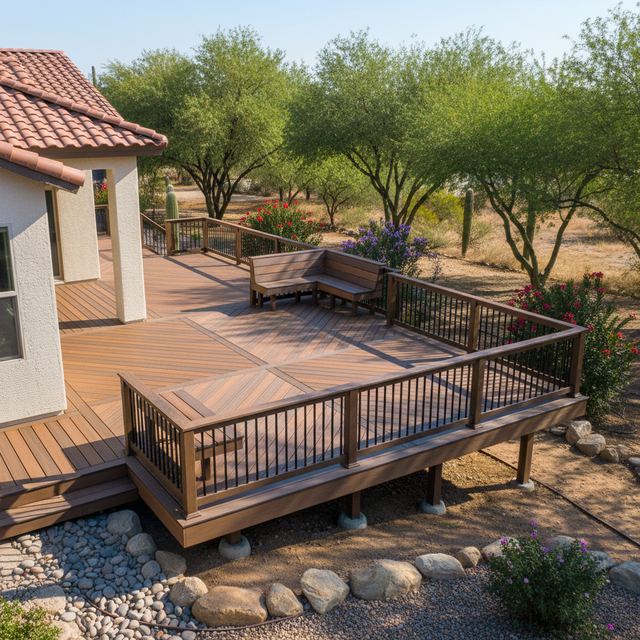
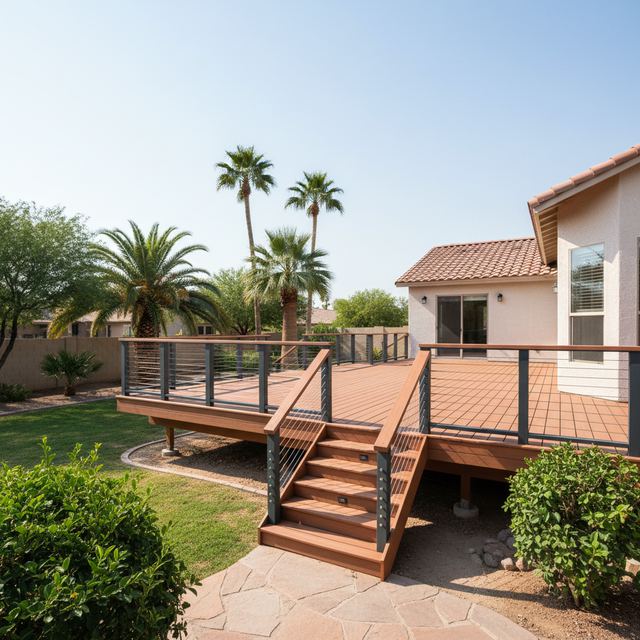
Kit railings go together well if you follow the instructions. They are still a safety feature with code requirements for height and strength, and posts must be anchored to the frame, not just the decking.
A sensible middle path
Have a professional handle the permit, footings and frame, then lay the boards yourself if you want to save money and enjoy the work. Agree that split in writing at the start so everyone knows who is responsible for what.
Afterwards
Sweep regularly, wash with soap and water twice a year, and check the railing fixings each spring. That is the whole maintenance list.